
Capabilities M W Industries Incorporated
M W Industries Capabilities Overview
M W Industries Incorporated has developed robust manufacturing capabilities since 1976 to serve industries that require precision metal parts, subassemblies, and engineered components. Our Houston facility provides integrated services — from design-for-manufacture engineering to in-house tool & die development, precision metal stamping, CNC machining, laser cutting, punch press operations, finishing, and assembly. This combination allows us to control critical processes, maintain quality, and reduce lead times.
Why
capabilities matter
Manufacturing capability is not only about equipment — it’s about the right processes, skilled personnel, and systems that ensure repeatable quality over time. Capability determines whether a part can be produced to spec at scale, within cost targets, and with consistent delivery. M W Industries invests in equipment, tooling, and people to ensure we can meet the evolving needs of customers who require low-tolerance components and complex formed features.
Core manufacturing capabilities
1. Precision Metal Stamping
- Progressive die stamping: Multi-station tooling allowing piercing, forming, and trimming in a continuous strip flow.
- Transfer and single-station presses for higher tonnage or specialized forming.
- Capabilities include coining, embossing, bending, and in-die tapping where applicable.
- Materials handled: strip steels, stainless, aluminum strips, copper alloys, and special materials as required.
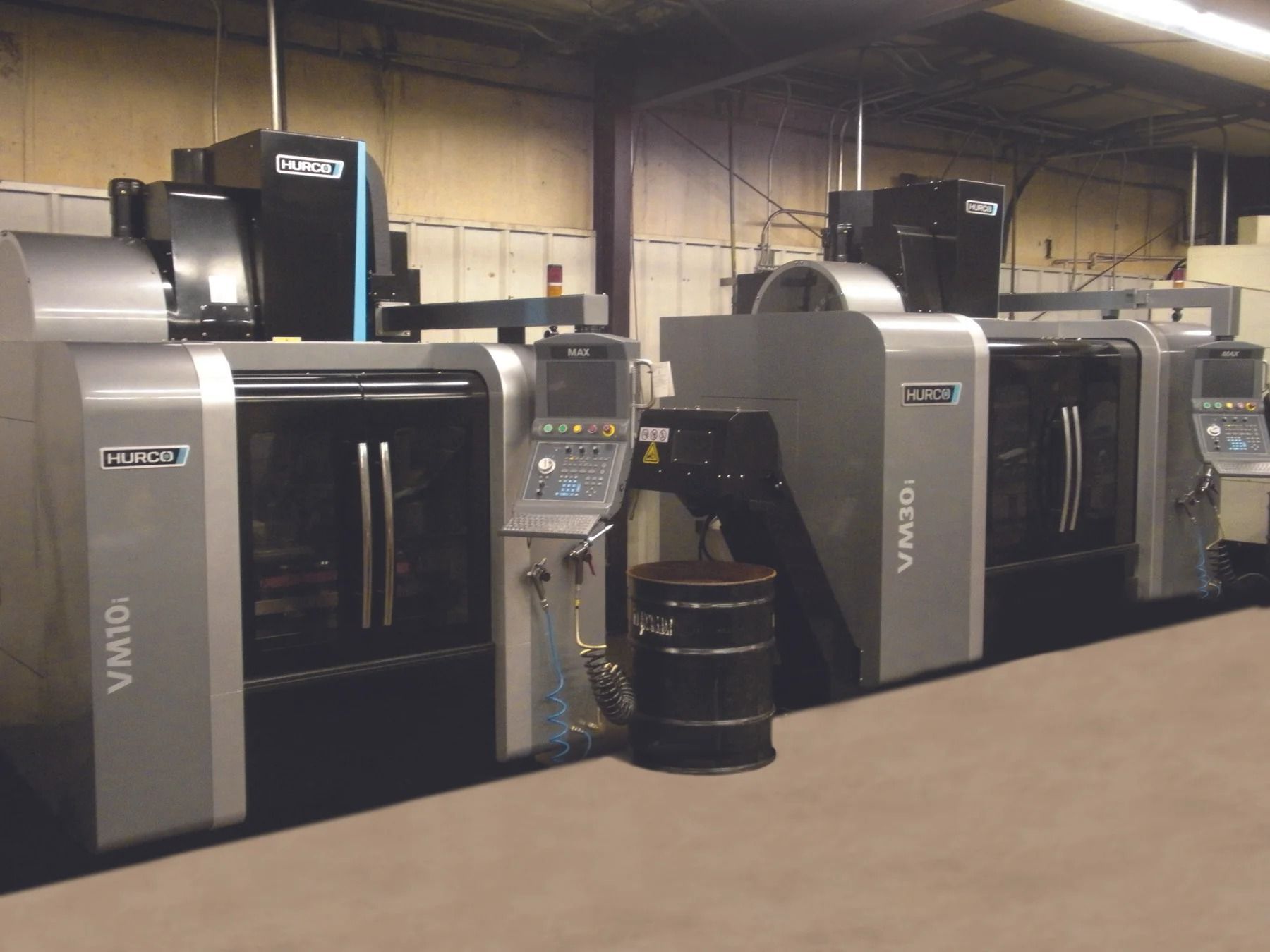
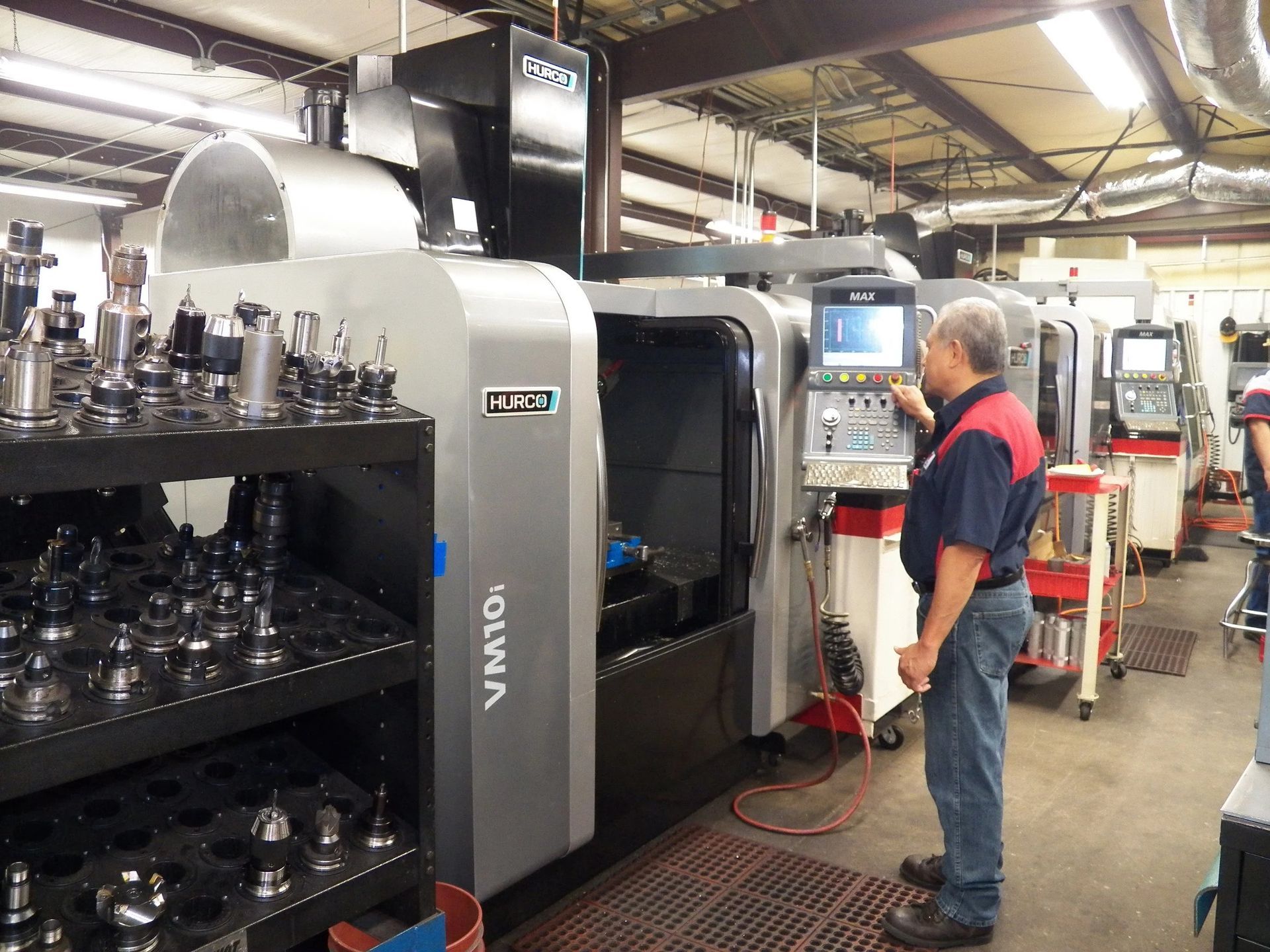
2. CNC Machining and Turning
- Lathes, mills, and multi-axis centers for turning and milling operations with tight surface finish tolerances.
- CNC capabilities for complex geometries, small runs, and parts requiring secondary machining after stamping.
- Tolerances controlled through programmed operations and in-line inspection.
3. Punch Press and Laser Cutting
- High-speed punch press systems for holes, slots, and blanking from sheet stock.
- CNC laser cutting for precision contours, small kerf, and minimal secondary finishing.
- Integration with forming and secondary operations to produce ready-to-assemble parts.
4. Tool & Die Design and Maintenance
- In-house design and build of dies and tooling to control quality and accelerate changeovers.
- Die repair, progressive die modification, and maintenance services to minimize production interruptions.
- Rapid prototyping of tooling for pilot runs.
5. Secondary Operations and Finishing
- Deburring, tumbling, plating, passivation, heat-treating coordination, and custom coatings.
- Threading, staking, riveting, and assembly operations to produce multi-component subassemblies.
- Packaging, kitting, and labeling to customer specifications.
6. Engineering and Prototyping Support
- DFM reviews, material selection guidance, and simulation of forming processes.
- Rapid prototyping through low-volume stamping, laser cut samples, or machined prototypes for fit and function testing.
- Collaboration on design adjustments to optimize tooling life, reduce scrap, and simplify assembly.
7. Quality and Process Control
- Inspection processes including FAI, in-process checks, and final acceptance.
- Gauging, optical inspection, and coordinate measurement as required.
- Documentation and traceability to support regulated industries or customer-driven quality systems.
Tolerances, materials, and volume ranges
Tolerances
Our processes can routinely meet tight tolerances required for precision stampings and machined features. Exact tolerance capability depends on part geometry and process selection; we evaluate each design to determine achievable tolerances at volume.
Materials
Carbon and alloy steels, stainless steels (300 and 400 series), aluminum alloys, brass, copper, and specialty alloys where required.
Volume ranges
From prototype batches (single-digit to low hundreds) to high-volume production (thousands to millions), with tooling and process selection tailored to volume and cost targets.
Why in house tool & die is a competitive advantage
Having tool & die in-house reduces lead times and improves responsiveness. When tooling changes are needed, we can modify dies quickly, reducing downtime and launch delays. In-house tooling also allows us to control quality from the beginning: die design, material flow, and forming sequences are planned by teams who understand production constraints and part performance requirements. This integration saves customers both time and cost.
How we manage complex manufacturing challenges
When a part has tight tolerances, thin walls, or complex formed features, we use a combination of experience, tooling design, and process control:
Engineering simulation and sketches to define critical features
Prototype stamping or machining to validate formability and tolerances
Optimized die build with appropriate materials and surface treatments to extend life
Training operators and developing clear process documentation to preserve consistency
Implementing statistical process control (SPC) for high-volume runs to monitor trends and respond before defects occur
Sustainability and material efficiency
M W Industries focuses on material-efficient designs and reducing waste in production:
Optimizing strip layouts for stampings to minimize scrap
Reclaim and recycle metal scrap consistent with environmental best practices
Recommending material substitutions that achieve similar performance with lower environmental or cost impact where feasible
Frequently asked questions (FAQs)
What is your maximum press tonnage?
Press tonnage varies by application. Contact us with part size, material thickness, and specific forming requirements and we will specify the best press and tooling approach.
Can you run parts that require both stamping and machining?
Yes. We combine stamping for high-volume geometry with secondary machining for critical features, providing a cost-effective approach for precision parts.
Do you offer prototyping before tooling?
Yes. We provide prototype samples via laser cutting, machined parts, or low-volume stamping to validate design before full tooling investment.
How do you control tolerances for high-volume production?
We use a combination of precise tooling, operator training, in-process inspection, calibrated gauges, and statistical process control to sustain tolerances across production runs.
Can you handle short lead-time requests?
We prioritize critical projects and work closely with customers to identify options — expedited tooling, short-run machining, or interim assembly — to meet urgent needs when possible.
Contact and capability review
Discuss your capability requirements with our manufacturing engineering team:
- Address: 2400 Farrell Road, Houston, Texas 77073
- Request a Quote: Send engineering drawings, desired material, target volumes, and required lead times to start the evaluation.
Call (800) 875-3510 or Request a Quote to begin a capabilities review.